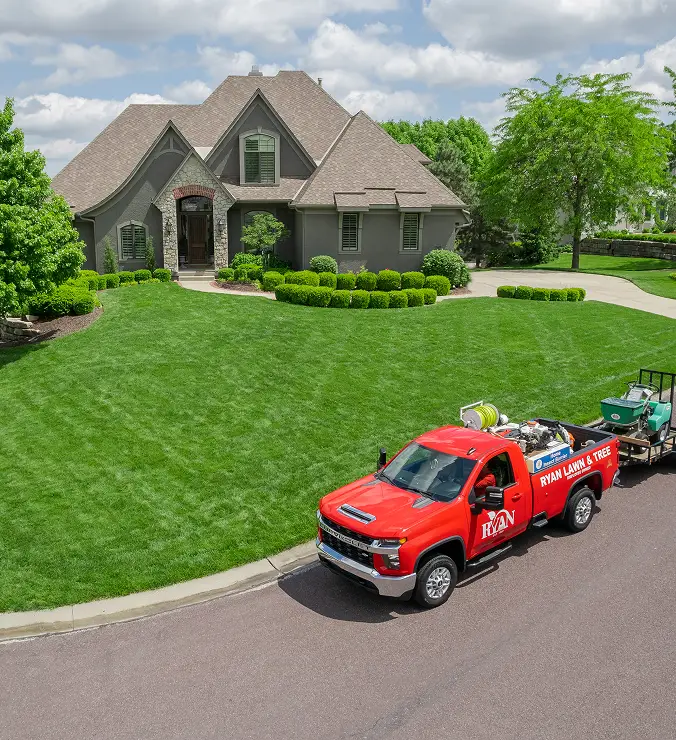
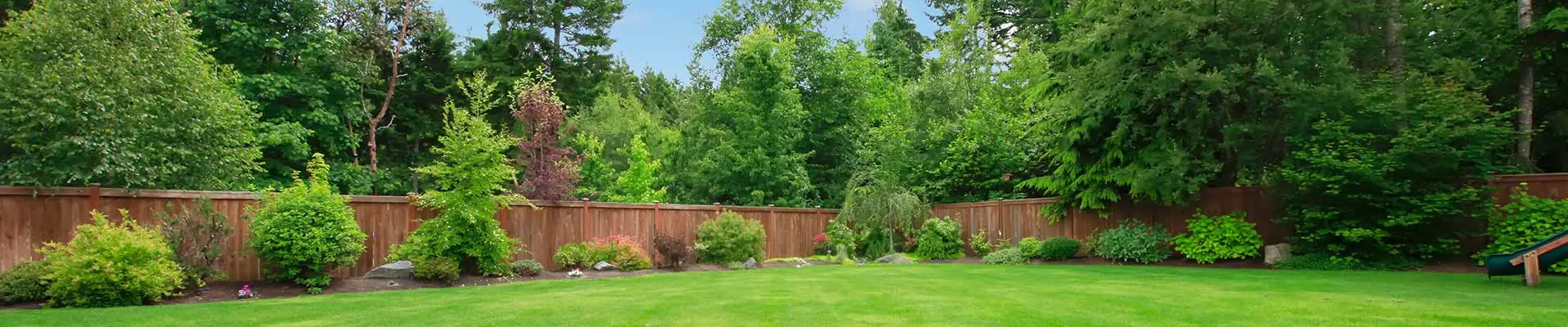
Ryan Lawn & Tree provides a wide range of services to establish and maintain residential lawns and outdoor spaces. We are the company to choose when it comes to Lawn Care, Tree & Plant Care, Pest Control, Irrigation, and Landscaping.
Our customized solutions are environmentally conscious and targeted to your specific project demands and desired results. You can choose from fertilization treatments, a PestGuard Package, softscaping, and more. Here are more details about some of our most requested services in and around Springfield.
Pest Control
 The presence of pests is more than a nuisance that detracts from your enjoyment of spending time outside. Pests, like insects and rodents can cause serious damage to your lawn, trees, and ornamental plants. You need expert help from professionals who have an understanding of the local area and its most common pests to provide the best advice and solutions.
At RYAN, our professional team has experience in providing customized treatment plans to eliminate infestations and prevent new ones from ever occurring. We assess your lawn to identify the risks, the current presence of any pests, and then go to work to eliminate the threat and implement effective measures to keep your yard protected.
PestGuard Packages
Controlling pests is simple when you select one of RYAN’s PestGuard Packages. We offer three to choose between:
- PestGuard: Six visits per year done every other month that target a variety of common pests such as mice, rats, spiders, ants, roaches, and voles. Rodent bait stations are both child and pet-safe.
- PestGuard Pro: Our Pro package includes all the services of the PestGuard plan, plus additional pest control services and three extra home visits, with monthly specifically targeting mosquitoes running from May to September.
- PestGuard Plus: This plan offers the highest level of protection. You get everything offered in the PestGuard and PestGuard Pro programs, plus complete home protection and added services for mole control where needed.
The exact programs you get depend on the PestGuard Package plan you choose, but the services we have available are the following:
- Home Insect Barrier: This service creates an invisible shield around your property to reduce pest populations. Our sprays are safe for children, pets, and the environment. Home insect barrier effectively eliminates spiders, ants, centipedes, cockroaches, silverfish, and more.
- Rodent Guard: The perfect program if you have issues with mice, rats, voles, and other bothersome rodents. This service removes unwanted rodents from your property using child and pet-friendly bait stations.
- Mosquito Guard: Mosquitoes provide a threat beyond ruining picnics. These insects can carry harmful diseases that pass to humans, making it especially important to control the mosquito population in your yard with the right treatments. Our Mosquito Guard protects your property to keep your family and pets safe through a process of inspection and targeted applications applied at peak times of year to stop mosquitoes before populations can grow.
Flea & Tick Control: Fleas and ticks are other insects that are more than simply annoying. These pests also carry diseases that can infect both humans and pets. Our granular and liquid flea and tick treatments work to provide long-lasting protection and complete coverage. - Mole Control: Moles can cause extensive lawn damage with their tunneling when left unchecked. RYAN’s mole control program eliminates moles to stop infestations and protect your yard.
There are different levels of the PestGuard package plans. Protection options range from Ant and Rodent treatments to our complete home protection plan that includes mosquitos, moles, fleas, and ticks. We even have services that target spiders, centipedes, and more. Select the level of protection you want for your home. We can also offer our advice on the best programs for your property after conducting an inspection and assessment.
Tree & Plant Care
Maintaining a gorgeous yard must include a plan for tree and plant care. The health and appearance of trees, shrubs, and flower beds can either add to or detract from the appeal of your property. Regular maintenance is the ideal way to identify problems fast and keep your plants in great condition.
Pruning & Trimming
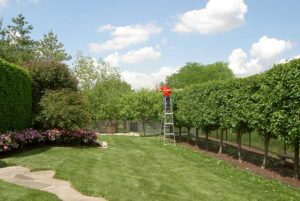 Trees with overgrown or damaged limbs cause an array of potential issues. They look ugly, block sunlight from your lawn, and provide a convenient way for pests like squirrels to find their way onto your roof and into your home. Falling branches also pose a significant threat to your family’s safety.
Regular pruning and trimming can prevent property damage and liability issues from loose branches falling on your neighbor’s property. RYAN has ISA-certified arborists trained to trim your trees effectively, with careful attention to safety, healthy growth, and the overall health of your yard. Our experts know how to identify which branches to trim, and deliver excellent results.
Plant Health Care
It’s a good idea to prioritize the examination of your trees and plants for disease symptoms and pest infestations. Better yet, enlist the help of professionals who can spot the early signs of a problem, identify risks, and offer both prevention methods and treatment plans. Some of the most common signs that indicate a problem include:
- Browning or yellowing leaves
- Dying branches
- Black spots on leaves and other discoloration
- Dropping leaves or needles
- Visible pests
The sooner you take action when you notice an issue, the easier it is to address the problem. Contact the RYAN Pros immediately if you see any of the plant health care signs mentioned above. Our team will examine your plants and create a customized solution including various treatments like nutrient-rich injections or growth regulators.
Fertilization
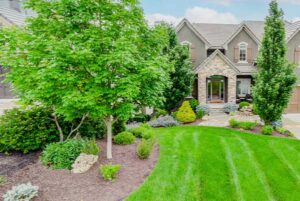 Your lawn and trees require certain nutrients in addition to sunlight, water, and air to thrive. Our Springfield tree fertilization treatments can help to restore nutrients if your soil is lacking to promote healthier growth. You get your own personal lawn manager who is committed to providing the best solutions for you, including a fertilization schedule that complements your grass type, soil type, and local weather.
RYAN uses a combination of products and treatments delivered throughout the year to feed your lawn, keep it healthy during harsh summer weather, and provide the necessary nutrients during winter to prepare for a new season of healthy growth.
Ash Borer Treatment
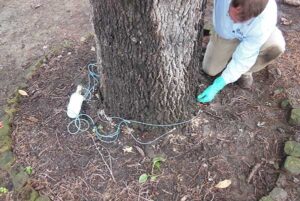
Some species of insects have become more prevalent, causing widespread damage. The Emerald Ash Borer is one of these and targets and destroys ash trees. RYAN arborists understand the threat that these and other insects pose and can help protect your trees from an infestation.
Insect & Disease Control
Many tree and plant species are prone to certain diseases or insect infestations. It’s important to work with a professional team that has the knowledge and experience to tend the plants local to the area.
Our arborists inspect your property to develop a plan to eliminate current infestations, treat diseases, and strengthen your trees’ and plants’ health.
Landscaping
Landscaping encompasses many different areas, from planting trees to creating patios and outdoor seating. While these are the core elements of landscaping, further touches can transform your space and turn it into the ideal outdoor escape to relax or entertain.
Landscape Lighting
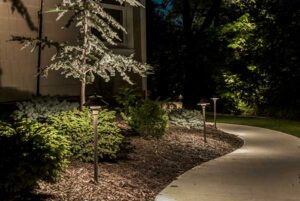 Enjoy your newly landscaped yard through the evening with some cleverly installed lights. The fun doesn’t have to come to a halt just because the sun has set. Outdoor landscape lighting provides a wonderful aesthetic that highlights the beauty of your home, illuminates walkways for safety, and even deters criminal activity.
Softscape
Softscaping is another transformative service. This includes flower bed construction and planting flowers, shrubs, trees, and other ornamental plants. The care you take with softscaping can make a huge difference in the overall appeal of your yard. The addition of some carefully selected trees and colorful blooms adds interest, beauty, and cheer to the space.
Lawn Care
Lawn care is another essential service you need for a stunning yard. A lush, vibrant green lawn is one of the focal points and deserves regular attention to keep it healthy and gorgeous. RYAN provides a variety of lawn care services that include weed control, fertilization, lawn growth regulator, and insect and grub control. We can conduct a soil analysis or identify and treat funguses and diseases. If you notice your lawn is developing heavy thatch, contact us for lawn aeration services. We also provide lawn seeding services for new grass and areas that require reseeding.
Providing Lawn Care to Springfield, Branson, and Surrounding Areas
We provide Lawn Care to more than just Springfield. Our experts are available throughout Table Rock Lake, Kimberling City, and the Branson West areas. As with all of our services, the quality and customer service you receive remains a high priority no matter where you live in our service areas.
Trust the Pros at RYAN for Your Lawn Care, Landscaping, Pest, and Tree & Plant Care Needs
With over 30 years of experience and a 100% satisfaction guarantee, Ryan Lawn & Tree is the company of choice to help you with all your landscaping, lawn care, pest, and tree & plant care needs. Whether you need help restoring your lawn and trees to health, assistance in selecting the right species to plant, or aid with creating a beautiful landscape design, we can get you the results you want. Contact us today to find out more about our services or to request a Free Estimate for your project.